







Search Results for: ceramic dripper
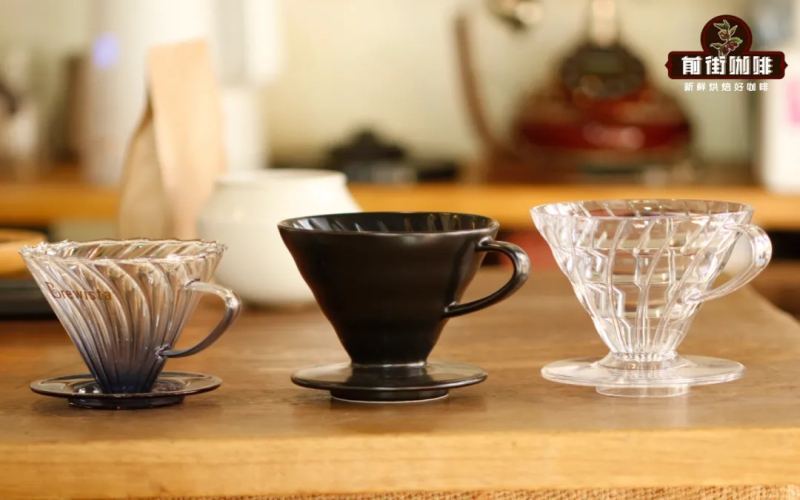
A Beginner's Guide to Choosing Home Coffee Brewing Equipment: A Full Analysis of the Heat Retention and Flow Dynamics Differences Between Resin, Glass, and Ceramic Drippers
Faced with the dazzling array of V60 drippers on the market, beginners are often confused about how to choose among resin, glass, and ceramic materials. After receiving readers' messages, Front Street Coffee specifically used Ethiopian Yirgacheffe Gutingting washed beans for comparative brewing, testing everything from heat retention and flow dynamics to the final flavor performance. This article fully presents the temperature change data of drippers made of different materials under preheated and non-preheated conditions, analyzes why ceramic retains heat well but tends to over-extract, while resin cools quickly yet delivers better layering, and offers purchasing advice for different roast levels and taste preferences, helping coffee lovers find the one that suits them best. [more…]
How to Choose the Material for a Home Coffee Dripper? A Hands-On Test of Resin, Glass, and Ceramic V60 on Heat Retention, Flow, and Flavor Differences
Faced with the dazzling array of V60 drippers on the market, many pour-over beginners are puzzled: they're all drippers, so why is there such a big price gap between resin, glass, and ceramic—does the coffee brewed really taste different? This time, Front Street Coffee specifically conducted a comparative test, using Ethiopian Yirgacheffe Gudingding washed beans, and under the same dose, water temperature, grind size, and coffee-to-water ratio, examined the heat retention performance, flow rate, and final flavor direction of three dripper materials. The article not only provides coffee bed temperature data without preheating and after thorough preheating, but also explains in detail how different materials affect the extraction rhythm, helping you choose the dripper that is truly suitable for home use based on the beans you usually drink and your budget. [more…]
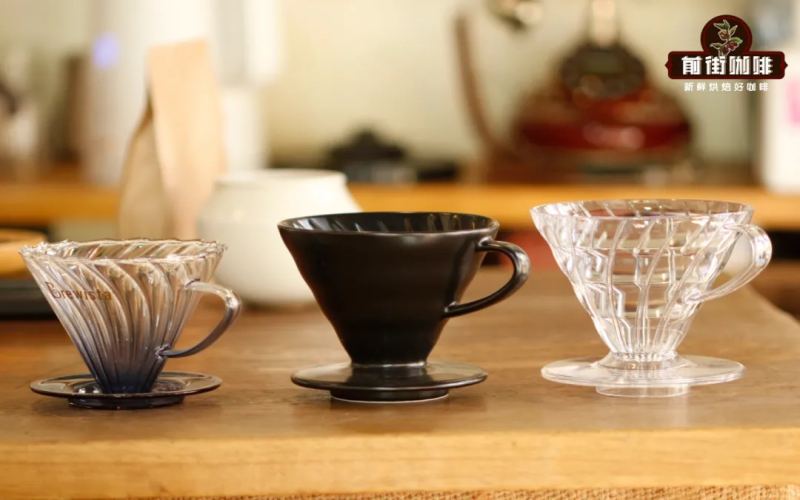
Pour Over Coffee Equipment Recommendations | What Coffee Gear Do Beginners Need to Start Pour Over? How to Choose a Home Brewing Coffee Dripper?
Recently, Front Street Coffee received a WeChat message: "I just want to simply buy a V60 dripper... Why are there so many materials?! And the prices vary so much—does the coffee brewed really taste different??" What are the differences between drippers made of different materials? The common V60 dripper materials on the market are divided into [more…]
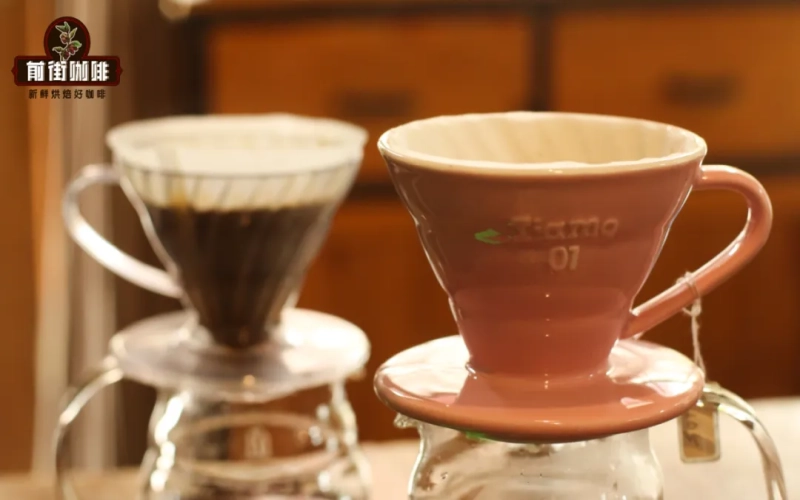
How do the material differences between ceramic and resin drippers affect the extraction results of pour-over coffee?
The material of a pour-over coffee dripper isn't just about feel and aesthetics—it genuinely changes the flavor in the cup. Front Street Coffee has shared before that the reason different dripper materials produce different extraction results comes down to two physical indicators: specific heat capacity and thermal conductivity. Thermal conductivity determines how quickly heat transfers, while specific heat capacity determines how easily a substance heats up or cools down. Together, they determine how much temperature a dripper "steals" from the hot water. This article will start from these two concepts to explain why a ceramic dripper makes coffee less bitter when it hasn't been preheated, why it's best to warm a ceramic dripper with hot water before use, and offer parameter adjustment suggestions based on actual brewing. [more…]
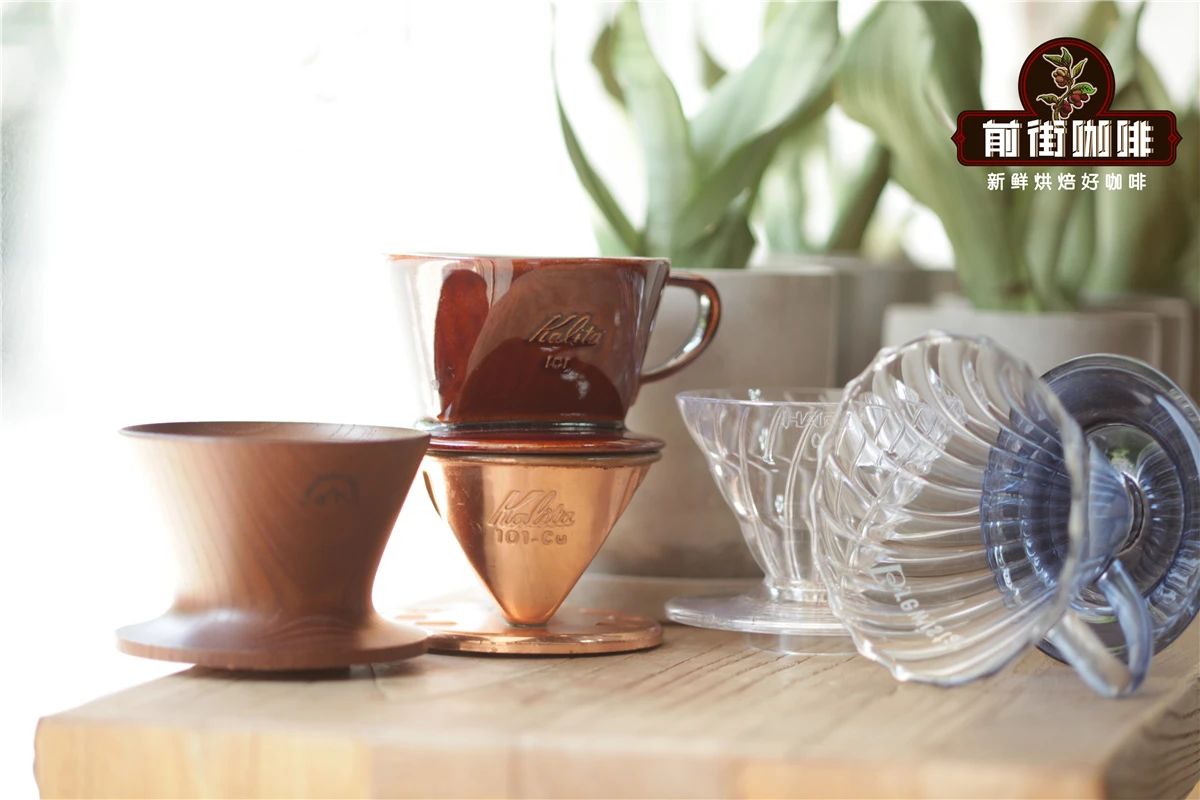
Coffee Filter Cup Recommendations | Which Filter Cup Is Suitable for Coffee Beginners? What Filter Cup Should Newbies Use for Brewing Coffee? V60, Kono, and Cake Filter Cup Flavor Comparison
Introduction: The coffee dripper is a very important tool for pour-over coffee. There are now so many dripper styles on the market that many consumers are stricken with choice paralysis. Today Front Street is here to share a way of thinking about how to choose! Drippers can be compared from these angles. I. The material of the dripper. Up to now, drippers [more…]
Filter Cup Buying Guide: How Material, Flow Rate, Shape, and Functional Design Affect Pour-Over Coffee Flavor
The popularity of pour-over coffee is inseparable from the dripper, a key piece of equipment. From Mrs. Melitta's accidental experiment with blotting paper and a copper bowl to today's dazzling array of drippers, choosing a suitable one has become a source of confusion for many coffee lovers. Front Street Coffee starts from four dimensions—material, flow rate, appearance design, and functional design—and, combining hands-on testing data with in-store experience, analyzes the specific effects of different drippers on extraction temperature, water flow speed, and coffee flavor layers. Whether you seek stability and beginner-friendliness or wish to finely control the direction of flavor, this article will provide you with practical purchasing ideas and references. [more…]
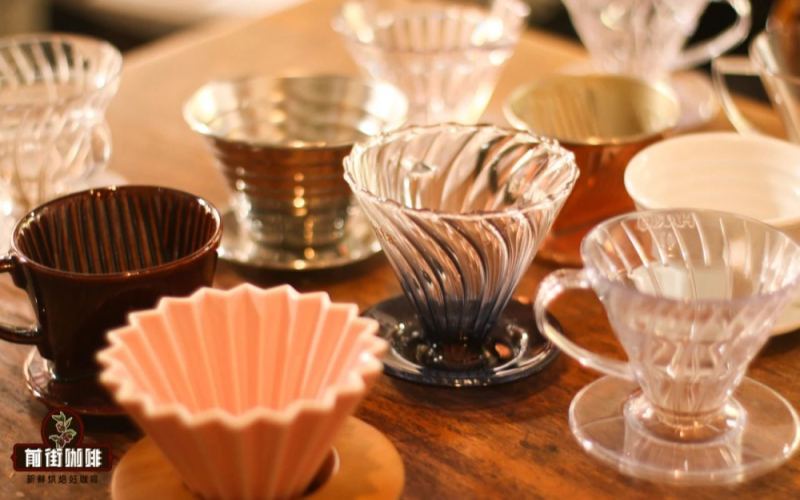
Pour-Over Coffee Filter Cup Selection Guide: How Different Shapes and Materials Affect Extraction and Flavor Performance
In the ecosystem of pour-over coffee equipment, the dripper plays a key role in determining the direction of extraction. Since the introduction of filter paper and drippers in the early twentieth century, more than a century of improvements has produced a rich variety of drippers on the market in terms of shape, number of holes, grooves, and materials, and each difference directly affects flow rate and extraction time, ultimately reflected in the coffee's mouthfeel and flavor. This article systematically reviews the design characteristics and suitable applications of mainstream dripper types such as fan-shaped, conical, wave, and metal, and further discusses the impact of materials such as ceramic, resin, and glass on heat retention. At the same time, drawing on Front Street Coffee's bean list, the article provides specific pairing suggestions for different drippers, helping coffee enthusiasts find a brewing method that suits them on the basis of understanding the equipment's characteristics. [more…]

The Complete Guide to Buying a Dripper: The Profound Impact of Cone Shape, Internal Ribs, Hole Design, and Material on Extraction Flow Rate and Temperature Control
Faced with drippers of all shapes and sizes on the market, friends new to pour-over coffee are often baffled by names like V60, Kono, and Origami, along with materials such as ceramic, resin, and metal. This article starts from the fundamental structure of the dripper, breaking down what the cone shape, internal ribs, bottom hole, and construction material each mean. You'll come to understand that these designs ultimately point to two core factors: flow rate and temperature control, and grasping the differences in thermal conductivity and specific heat capacity can help you match a more suitable dripper to your brewing method. Front Street Coffee takes you through the principles so you no longer follow trends blindly, and find that perfect cup of coffee of your own. [more…]
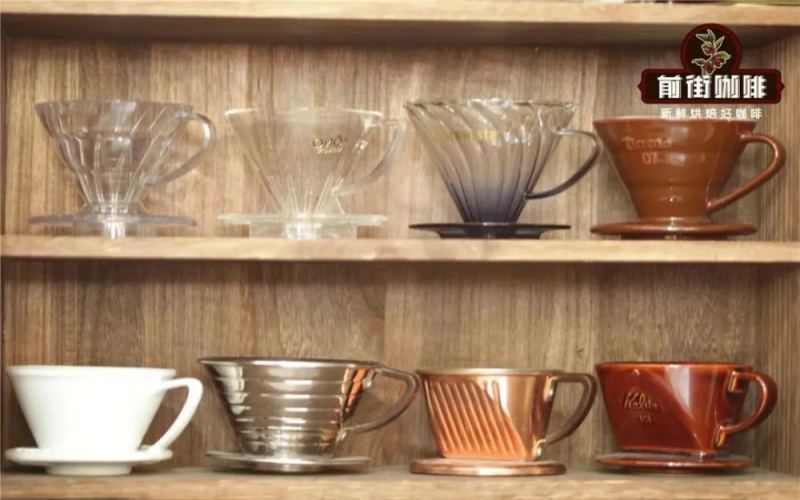
How to Choose a Pour-Over Dripper? From Ribs and Material to Appearance, Understanding the Pros and Cons of Every Type in One Article
Choosing a handy dripper is the first hurdle for pour-over beginners. The market is flooded with all kinds of drippers, from the classic V60 to oddly shaped strawberry and diamond drippers—what exactly are the differences between them? This article starts with the structural design of the flow channels, explaining how spiral ribs, vertical ribs, and concave flow grooves affect water flow speed, then compares the real-world performance of materials like resin, glass, ceramic, and metal, and finally discusses the involution trend in dripper appearance design. Drawing on years of brewing experience, Front Street Coffee offers functionality-first purchasing advice to help coffee lovers find the dripper that best matches their own brewing style. [more…]
An Analysis of the Differences Between the Hario V60 Dripper 01 and 02 Models: A Comprehensive Comparison of Opening Size, Capacity, and Brewing Flavor
The Hario V60 dripper is almost ubiquitous in the specialty coffee world—whether in independent cafés or chain brands, you're bound to see it. But faced with the dazzling array of V60 models on the market, especially the two common sizes 01 and 02, many coffee enthusiasts aren't clear about what substantial differences actually exist between them. This article will start from the classic design principles of the dripper, systematically outline the three core structural advantages of the V60, then break down one by one the heat retention and price differences among the three materials—resin, ceramic, and glass—and focus on comparing 01 and 02 in terms of capacity, opening size, and suitable scenarios. It will also mention special models such as the brass version and championship collaboration editions, helping you make a more rational choice based on your own needs. [more…]
A Beginner's Guide to Home Pour-Over Coffee: Equipment Selection, Key Techniques, and Front Street Coffee's Everyday Bean Recommendations
To brew a clean, well-layered pour-over coffee at home, you don't actually need complicated equipment, but every step affects the final taste. From grinders, digital scales, and drippers to filter papers, gooseneck kettles, and thermometers, this article walks through the pour-over gear suitable for home use in the order of the brewing process, and gives specific brand models and reference prices. At the same time, for everyday drinking needs, it recommends a number of single-origin beans with distinct styles from the Front Street Coffee daily drinking series, covering different flavor directions such as rich and full-bodied, floral, nutty, and chocolatey, making it easy for coffee lovers to choose according to personal preference. [more…]
A Beginner's Guide to Pour-Over Coffee: Equipment Recommendations, Brewing Step-by-Step Guide, and Cost-Effective Everyday Beans
The appeal of pour-over coffee lies in the fact that everyone can brew a flavor that is uniquely their own. This article is aimed at home enthusiasts and small coffee shops, and provides a systematic overview of all the equipment needed to get started with pour-over—from gooseneck kettles, drippers, and grinders to filter papers, digital scales, thermometers, and carafes—offering an analysis of the pros and cons of specific brand models along with purchasing advice, and including a complete eight-step brewing tutorial. Finally, it recommends several highly cost-effective Front Street single-origin coffee beans, at a cost of only about six yuan per cup, making them ideal for daily practice and home enjoyment. [more…]
Pour-Over Coffee Equipment Guide: V60 Dripper Design Principles, Material Comparison, and Detailed Explanation of One-Pour and Three-Stage Extraction Methods
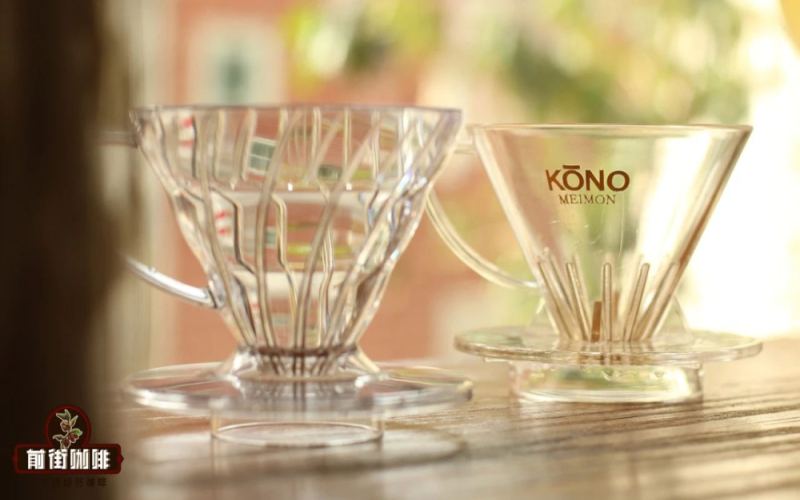
In the world of pour-over coffee, the V60 dripper is an almost unavoidable classic piece of equipment. With its conical structure, large aperture, and spiral rib design, it can accommodate a variety of roast levels and brewing techniques, making it the dripper choice unanimously recommended by Front Street Coffee baristas. This article will start from the three major design elements of the V60, analyze its extraction principles, compare the heat retention and price differences among resin, ceramic, and glass materials, and explain in detail key parameters such as grind size, water temperature, and coffee-to-water ratio. Finally, using Front Street Coffee Costa Rica Strawberry Candy coffee beans as an example, it will provide a hands-on comparison of the flavor presentation differences between the one-pour and three-stage brewing methods, helping coffee enthusiasts find a brewing method that suits them. [more…]
For pour-over coffee, should you use hot or room-temperature water to wet the filter paper? A hands-on test of the flavor differences across three filter-cup materials
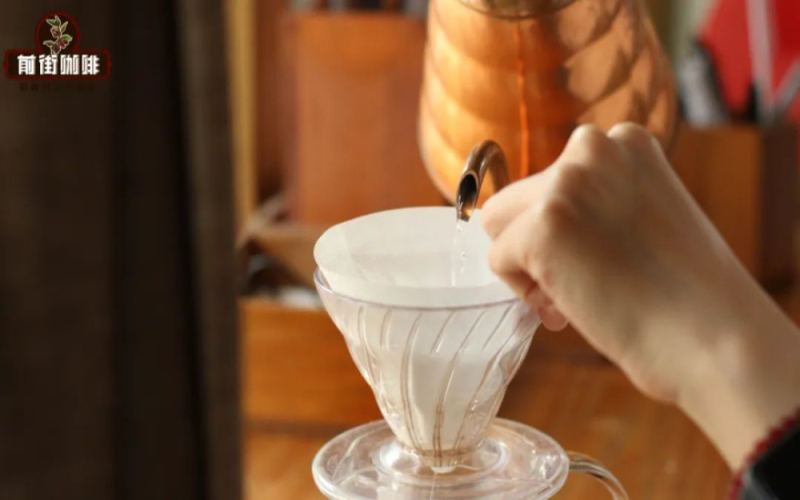
Should you wet the filter paper with hot water or room-temperature water before pour-over coffee? Does this seemingly insignificant step really affect the final flavor? Many coffee enthusiasts share this confusion. In this experiment, Front Street Coffee used filter holders made of three different materials—resin, ceramic, and copper—and wet the filter paper with either room-temperature water or hot water above 90°C, conducting a comparative experiment under identical brewing parameters. The results showed that wetting the filter paper at different water temperatures does indeed lead to differences in the temperature and concentration of the coffee liquid, and the flavor profile also showed different tendencies toward sweetness and acidity. Through detailed experimental data, this article will analyze the mechanism by which the water temperature used to wet the filter paper affects the extraction process, helping you find the cup that best suits your taste. [more…]
Analyzing the Differences Between the Anqing-style Wooden Dripper and the V60: Does Wood Flavor Affect Coffee? Key Brewing Points for Dark Roasted Beans
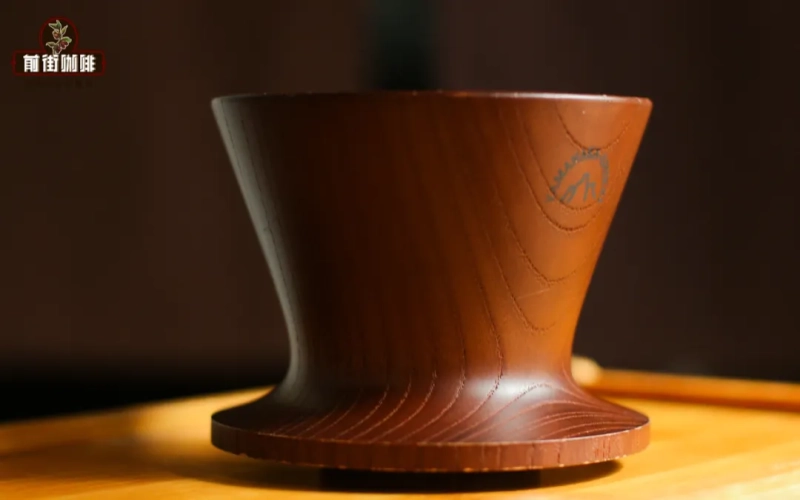
Today Front Street is going to talk about a rather niche pour-over device—the Anki-style dripper. It comes from the well-known Yamanaka lacquerware woodworking factory in the Kaga region of Japan and is made entirely of wood, which stands in sharp contrast to the ceramic, resin, glass, or metal drippers commonly seen on the market. Will coffee brewed with a wooden dripper take on a woody aroma? How does it differ from the V60 in use? How should dark-roasted coffee beans be brewed with this dripper? This article will start from Front Street's actual experience and answer these questions one by one, while also sharing the details to note when maintaining this dripper, as well as its slightly imperfect but harmless handmade traces. [more…]
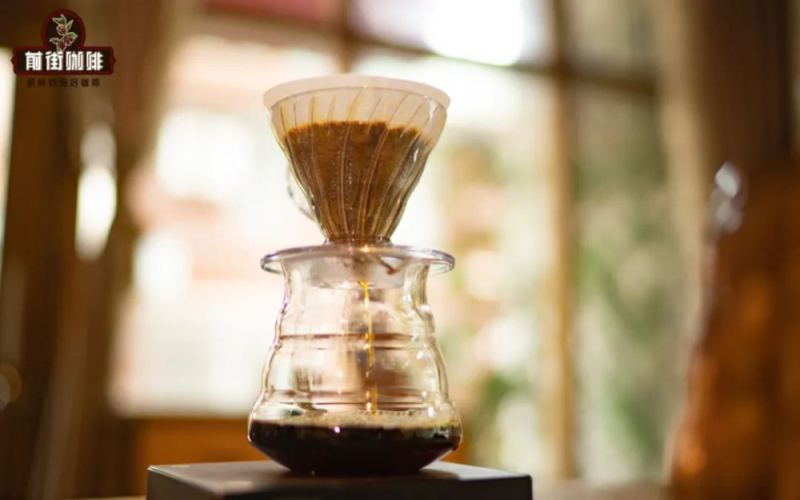
How Does Filter Cone Material Affect Coffee Extraction? Analyzing Brewing Differences Through Thermal Conductivity and Specific Heat Capacity
Coffee filter cups on the market come in a wide variety of materials—resin, glass, ceramic, and metal each have their own fans—but what real impact do different materials actually have on brewing? Many people's first thought is the price difference, but setting aside cost, the most core difference between materials lies in their ability to control temperature. Thermal conductivity determines how quickly heat is transferred, while specific heat capacity relates to how much heat an object can store. Together, these two physical parameters directly change the temperature performance of hot water during the extraction process. Metal conducts heat fastest but also dissipates it quickly; ceramic has a high specific heat capacity but needs thorough preheating; glass performs mildly; and resin, because it absorbs heat slowly, has almost no effect on water temperature. In this article, Front Street Coffee will break down the characteristics of four common filter cup materials one by one, and combine them with the actual differences in flow rate among V60 versions made of different materials, to help everyone understand why you cannot simply copy extraction formulas from the internet, but should instead flexibly adjust your brewing strategy according to the material of the filter cup in your hands. [more…]
A Complete Guide to the V60 Dripper: From Its Historical Origins to Brewing Techniques, and Why It Became the Benchmark Tool in the Pour-Over World
In the world of pour-over coffee, the V60 dripper is a classic piece of equipment that almost every enthusiast cannot avoid. This article will start from the background of the V60's birth, tracing how Hario drew inspiration from a laboratory funnel and ultimately designed this conical dripper that changed the pour-over landscape. At the same time, it will analyze in detail how the V60's three major extraction characteristics—the 60° cone angle, the large-aperture outlet, and the spiral rib structure—work together to shape the flavor direction of the coffee. In addition, the article will also explore the connection between the third wave of coffee and the V60's rise to popularity, explaining why the delicate floral aromas and fruity acidity of light-roasted beans require fast extraction to be fully expressed, and compare the practical effects of different materials such as resin, ceramic, and glass on brewing, as well as the reason Front Street Coffee has long chosen the resin version of the V60. [more…]
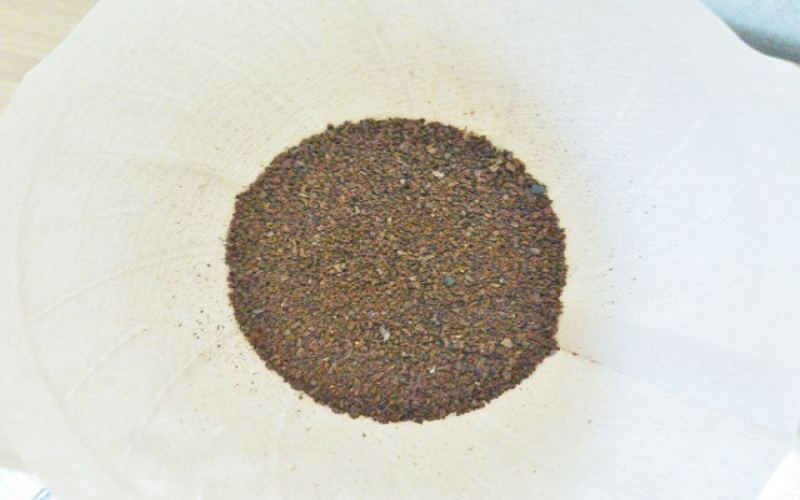
Why the HARIO V60 dripper has become a staple in coffee shops: a detailed explanation of its cone shape, single hole, and spiral rib structure
Among the many pour-over drippers, the HARIO V60 has become the top choice for many cafés and enthusiasts thanks to its unique cone shape, single hole, and spiral rib design. Its structure allows for more even contact between hot water and coffee grounds, and a more controllable drip rhythm, while also balancing practicality with a stylish appearance. This article starts from the structural principles to analyze why the V60 has become so widely popular, and compares the pros and cons of plastic and glass materials to help you make a decision that suits you better when purchasing. It also retains relevant product recommendation information from Front Street Coffee. [more…]
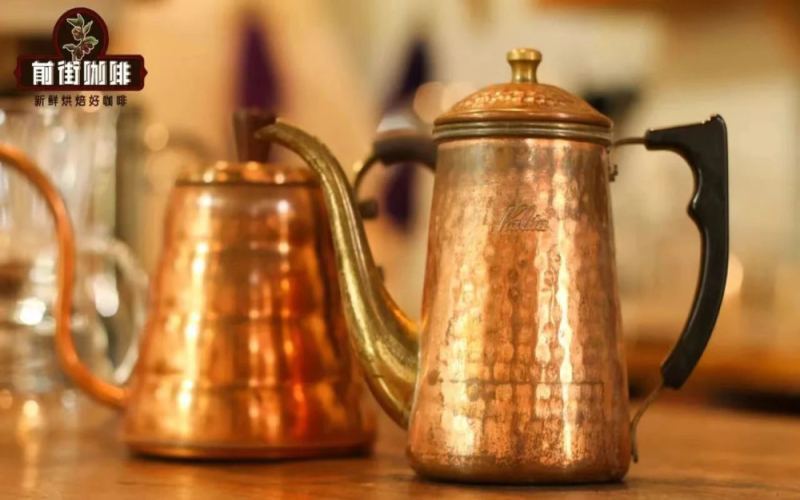
Hario V60 01 vs 02 Dripper Comparison: Size, Coffee Dose, and Brewing in Practice
The Hario V60 is practically standard equipment for every pour-over enthusiast, but what exactly is the difference between the 01 and 02? From the perspective of Front Street Coffee, this article first reviews the design origins and three core features of the V60 dripper, then takes a deeper look at how the 01 and 02 differ in recommended coffee dose and actual capacity, and explains why the 02 dripper requires a coarser grind. After that, using the Yirgacheffe Natural Red Cherry as an example, it presents the three-pour brewing parameters and techniques for both drippers, helping you make a more suitable choice in your daily brewing. [more…]
Guide to Consistent Pour-Over Coffee: Key Details from Parameter Execution to Filter Cup Preheating
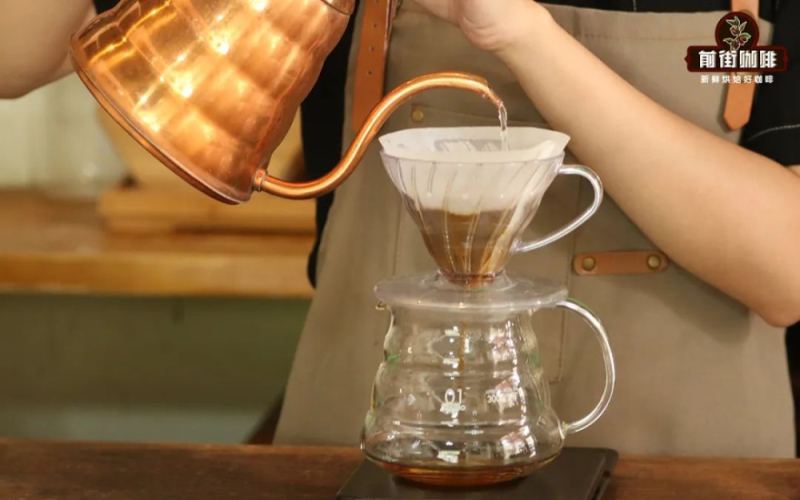
The charm of pour-over coffee lies in its rich flavors, but it also puzzles many enthusiasts: why does the same beans and parameters produce a different taste every time? Front Street Coffee believes that it is nearly impossible to replicate two completely identical cups of coffee, but by controlling the details, it is entirely possible to make two cups sensorially indistinguishable. This article will start with four key steps—strictly executing brewing parameters, preheating the dripper and server, cleaning the grinder, and waiting for the drip to finish—to analyze in detail how to reduce unstable factors during brewing, helping you improve the stability and quality of your pour-over coffee. [more…]